
Best PCOS Cookbooks: According to a Dietitian
I know firsthand how hard it can be to find cookbooks and recipes that meet my needs for PCOS and that actually taste good. The internet is full of cookbooks making big claims, but not all of them are reliable.
In this article, I’ll show you how to identify PCOS-friendly cookbooks written by credible authors, filled with real (not AI-generated!) recipes.
There are links on this site that can be defined as “affiliate links”. This means that I may receive a small commission (at no cost to you) if you subscribe or purchase something through the links provided that are signaled with *.
What Makes a Recipe PCOS Friendly?
With all the conflicting information about the “right” diet for PCOS, it can be overwhelming to know what to look for.
Don’t worry, I’ve got you covered! Here are a few key characteristics to look for in a PCOS-friendly cookbook:
High in Fiber
Fiber is so important when it comes to PCOS. Research shows that consuming a high fiber diet can improve your gut health, insulin sensitivity, and inflammation for PCOS (1).
Look for recipes that feature a variety of fiber sources. I typically recommend aiming for 8–10g of fiber per meal.
Includes Anti-inflammatory Fats
Fats are crucial for hormone health, especially omega-3 fatty acids. These come from foods like nuts, seeds, avocados, seafood, and algae. Prioritizing these can be very beneficial for PCOS.
Look for recipes that incorporate omega-3-rich ingredients, especially seeds and nuts.
Low in Added Sugar
You can enjoy dessert with PCOS, but it’s important to stay mindful of added sugars. Ideally, choose recipes that don’t rely heavily on sweeteners.
Watch for ingredients like brown sugar, honey, maple syrup, BBQ sauce, ketchup, and regular white sugar.
Utilizes Complex Carbohydrates
Complex carbs are particularly helpful for PCOS. While not every carb needs to be complex, the majority in a PCOS-friendly cookbook should be.
These include whole grains, starchy vegetables, legumes, and fruits.
Includes a Quality Protein Source
Protein is vital for everyone, but especially for those with PCOS. Insulin resistance often increases protein needs, and it’s important to choose high-quality sources.
Look for proteins that are filling, stabilize blood sugar, and contain all essential amino acids. Some great options include:
- Meat, poultry, seafood
- Eggs and dairy
- Soy (edamame, tofu, tempeh)
- Lupini beans, nuts/seeds, and collagen
Try not to rely on beans and lentils as your sole protein, they’re better suited as a complex carb source on your plate.
What to Look for in a Quality Cookbook
Author with Qualifications
I recommend choosing a cookbook written by a dietitian, endocrinologist, or PCOS specialist. This ensures the recipes are based on evidence-based nutrition recommendations.
That said, you can find quality PCOS cookbooks from non-professionals too, but credentials help indicate reliability.
Clear Instructions
Preview a few recipes (especially if you’re buying online) to ensure the steps are easy to follow. Some cookbooks can be vague or overly complex.
Also consider the skill level of the recipes, make sure they match what you’re comfortable with. The best cookbook is one you’ll actually use.
Quality Pictures
A good cookbook should contain quality photos throughout. These should document the process of making dishes to provide useful insight, as well as pictures of the final product.
Nutrition Facts for Every Recipe
This might seem obvious, but it’s worth emphasizing. You need access to nutrition facts to know if a recipe fits your needs.
Pay particular attention to fiber, protein, and added sugar when evaluating recipes for PCOS.
PCOS Friendly Cookbook Red Flags
Cookbooks with thousands of recipes
This might seem like a bonus, but more isn’t always better. Cookbooks boasting hundreds or thousands of recipes often sacrifice quality, and may even contain AI-generated content. That’s not what you want when managing PCOS.
Cookbooks that avoid whole food groups or a list of ingredients
Many so-called PCOS cookbooks claim to help by simply eliminating long lists of foods. This is a red flag!
There’s no one-size-fits-all for PCOS. What one person needs to avoid might work perfectly fine for someone else.
If you’re unsure what to include or avoid, I highly recommend working with a dietitian who specializes in PCOS. Even a few sessions can offer a lot of clarity.
If you are interested in working with me 1:1 to help determine your needs, click here to see details about how to schedule.
PCOS Friendly Cookbooks I Recommend
A Balanced Approach to PCOS*

A great option for people who would like a non restrictive approach to PCOS nutrition. Includes meal prep and meal planning guides for those with busy lifestyles!
The PCOS Nutrition Center Cookbook*
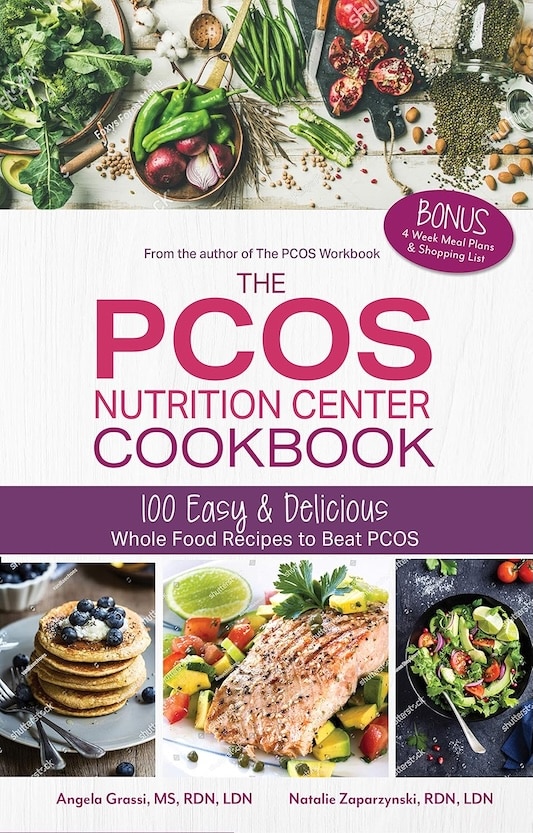
A great option for those who are wanting to learn more about PCOS and what to eat. Another non restrictive book that focuses on fiber and protein.
So Easy So Good*

This is not a PCOS specific cookbook, but is a cookbook full of well balanced meals that highlight protein and fiber. Recipes can be slightly adjusted to be a little more PCOS friendly.
The Real Food TableThe Easy 5-Ingredient Healthy Cookbook*

This book is also not PCOS specific but it is full of whole food based recipes. I use their recipe blog for meal planning constantly and love their recipes!
The Easy 5-Ingredient Healthy Cookbook*

A great book for quick and easy recipes that are generally balanced with fiber and protein sources.
Final Thoughts
I know how confusing and overwhelming it can be to find a cookbook that meets your dietary needs and is actually trustworthy. That’s why I created this article, to give you a reliable resource you can come back to anytime.
In this post, I covered what to look for in a PCOS-friendly cookbook, red flags to avoid, how to assess an author’s credibility, and shared some of my favorite go-to PCOS cookbooks.
I hope this guide helps make your search a little easier! Feel free to subscribe to my email list below to stay up to date with new posts and resources.